


Batting is not only about selecting an attractive shot. The real challenge begins before the ball reaches the pitch. A batter must watch the bowler, understand the direction of the delivery and judge where it is likely to land. Even a powerful stroke can fail when this early reading is missing.
The same principle applies while using a cricket app. Players who observe the delivery before making a decision are more likely to choose the correct response. This is also what makes well-developed cricket games more engaging than simply tapping the screen without a plan.
Reading the Bowler’s Line and Length Before You Play a Shot
When facing a delivery, the first thing which comes to our mind is where the ball will pitch. However, good judgement begins even earlier. The bowler’s grip, wrist position and release point can provide useful clues about the possible direction and pace of the ball.
A high release may create additional bounce, while a lower or wider action can change the angle towards the batter. These clues do not define the final outcome; rather, they give the batter additional time for preparation.
Track the Ball
Have you ever waited for the ball to pitch before deciding which shot to play? Well, this delay can reduce your reaction time. The eyes should follow the delivery from the moment it leaves the bowler’s hand.
Continuous tracking helps identify the speed, line and expected pitching point. It also allows the feet to move earlier. The batter can then choose whether to go forward, move backwards or remain balanced for a controlled response.
A cricket app becomes easier to understand once players stop treating every delivery in the same way. Watching the ball closely can prevent rushed decisions and unnecessary attacking shots.
Knowing What the Length Demands
A full delivery generally encourages forward movement. It may provide an opportunity for a controlled drive or a lofted stroke when the line is suitable. A short ball usually requires back-foot movement because it rises more quickly.
The good-length ball can be more difficult to read. It may not be full enough for an easy drive or short enough for a comfortable attacking shot. Hence, a defensive or controlled response may be safer.
This is why a one-shot cannot work for every length. Players must adjust according to what the delivery offers.
Read Bowling Patterns By Studying the Bowler and the Pitch
Many bowlers repeat certain patterns in cricket games. Some may prefer fuller deliveries, while others may use shorter balls more regularly. Observing the first few deliveries can reveal these tendencies.
However, recognising a pattern does not mean selecting the shot before the ball is released. The batter should anticipate but continue watching. Guessing can create mistakes when the bowler changes pace, angle or length.
The Final Shot
Reading a bowler’s line and length before committing to a shot is a skill that develops through observation, timing and decision-making. Rather than relying on pre-planned strokes, successful batters assess each delivery and adjust their response to minimise risk while creating scoring opportunities.
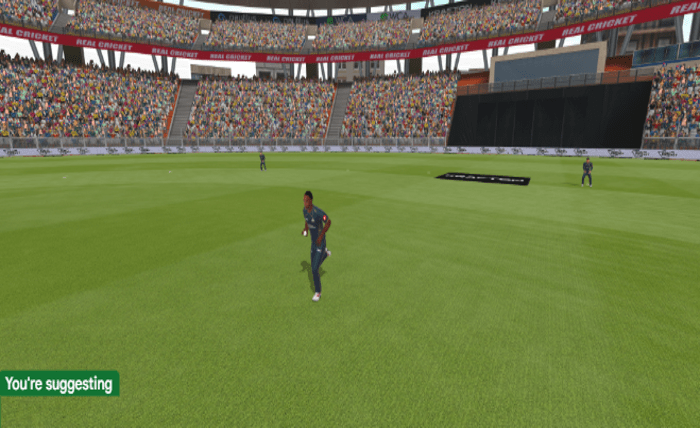
Popular cricket games such as Real Cricket™ reinforce this aspect of modern batting by combining realistic bowling variations, responsive shot controls and multiple gameplay modes, allowing players to practise reading deliveries and refining their shot selection across different match situations.
